You finally get the beard you wanted — and then the transplanted hairs begin to fall out. Almost every patient goes through this, and almost every patient panics the first time. Shock loss is normal.
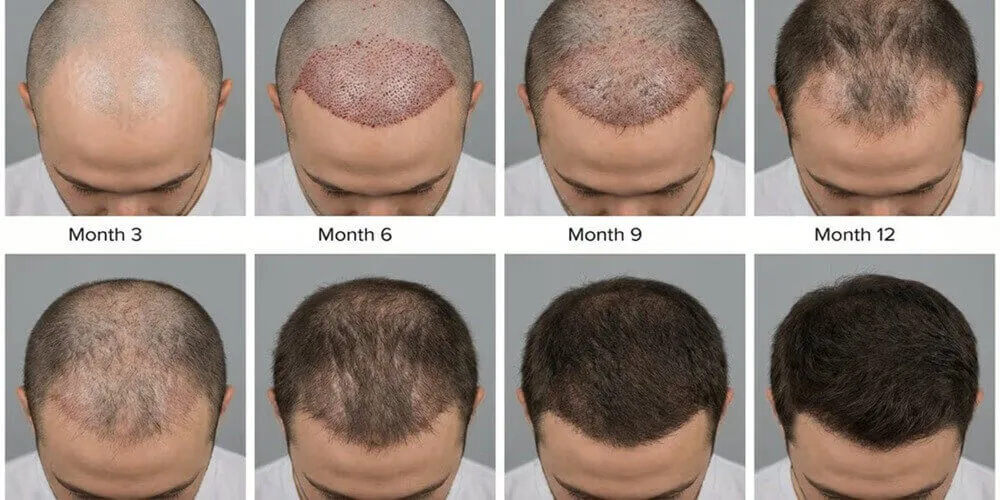
After the trauma of surgery your body moves the transplanted follicles into a resting phase. They release the hair shaft they are currently holding to make way for new growth. It looks alarming and feels wrong, but it is a sign that healing has started, not that the procedure failed.
Most men notice it between two and four weeks after surgery. Some see it sooner, some later, and the amount varies from a few hairs to noticeably more. Both patterns end in the same place: regrowth.
What causes it
Surgical trauma
Extraction and implantation traumatise tissue by design. Follicles are removed from the donor area, tiny incisions are made across the beard zone, and each follicle is placed individually. The skin responds with inflammation and the follicles respond by shutting down temporarily — much as a transplanted plant wilts before it establishes in new soil.
Blood supply
A relocated follicle has to build a new blood supply before it can support active growth. Until that circulation is established the follicle conserves its resources, and holding a hair shaft is not a priority.
Immune response and native hairs
The immune system reacts to the disturbance, which can push follicles into their resting phase. Any hair that was already growing in the transplanted area may shed alongside the new grafts. That native hair returns too.
What to expect, week by week
- First week — small crusts around each graft, redness and swelling. The area is at its most fragile.
- Weeks two to four — crusts clear and shedding begins. This is the phase that worries people most.
- Months two to six — the quiet stretch, then the first fine new hairs appear and start to thicken.
- Months nine to twelve — full calibre, full density, final result.
Judge the result at twelve months
Growth milestones are worth tracking, but the beard you are assessing at month three is not the beard you will have. Final maturity takes the better part of a year.
Caring for the area
Follow the cleansing routine your team gives you rather than improvising with products of your own. Keep the skin appropriately moisturised, eat well enough to support healing, and protect the area from impact. Avoid strenuous exercise, scratching, and anything harsh on the skin while the grafts settle.
Contact the clinic if you see signs that go beyond expected healing — spreading redness, significant pain, or discharge. Those are not part of shock loss.
Can you reduce it?
Some of it is simply biology and cannot be avoided. What you can influence is everything around it: careful graft handling and recipient-site preparation on the surgical side, and on yours, sensible preparation before the operation and disciplined aftercare once it is done. Both matter more than any product.
Is it worth worrying about?
No. Shock loss is an expected stage in a process that ends with a fuller beard than you started with. Knowing it is coming is what stops you from making the mistakes — harsh products, scratching, abandoning aftercare — that genuinely could affect your result.
This article is general information written by our medical team and is not a substitute for individual medical advice. Please consult a physician about your specific situation.

Cyprus Hair Center
Written by our medical team. Every procedure at Cyprus Hair Center is performed by experienced specialists in line with international standards, and carries a lifetime warranty certificate.