
Patients ask this constantly, usually while trying to line the procedure up with a holiday. The honest answer has two halves. Your final result is set by biology and by the surgery itself, and it arrives at twelve months whatever the calendar says. What the season really decides is how easy the first ten to fourteen days are — and since that window is when the grafts are securing themselves, easy is worth something.
Why the first two weeks decide the question
In those days the transplanted follicles are establishing themselves and the scalp is at its most vulnerable. The list of things to avoid is short and specific: heavy sweating, direct sun on the scalp, sea and pool water, and anything pressing or rubbing against the recipient area. Every seasonal argument below is really an argument about how hard that list is to follow.
Summer: possible, but you are working against the weather
June through August in Cyprus is hot and humid. Heavy sweating raises the risk of irritation and infection in a healing scalp, and strong sun is genuinely harmful to new grafts. The sea and the pool are off limits for the first weeks regardless — which is precisely what most people came for. Summer surgery is done, and done successfully, but it asks the most discipline of you at the moment discipline matters most.
Winter: comfortable, with one caveat
Mild and stable, barely any sweating, little sun. Healing is comfortable and the restrictions are easy to keep. The one thing to watch is the hat: cold weather makes people reach for one, and a hat pressed onto a fresh recipient area is exactly the friction we told you to avoid. Loose, clean, and only when you need it.
Spring and autumn: the ideal windows
March to May and September to November are the honest answer. Neither temperature extreme, minimal sweating, sun that is easy to stay out of, and pleasant weather for the days you spend around Lefkoşa between the operation and your first wash. If your calendar is flexible, aim here.
What the season does not do
It does not speed anything up. Shedding still comes in the first weeks, growth still becomes visible around month six, and the final result still lands at twelve months. A well-timed procedure is a more comfortable procedure, not a faster one — and anyone telling you a particular month produces better density is selling you something.
Planning around it
Tell us your constraints at the consultation rather than working backwards from a flight. Most patients need three to four days on the island for the consultation, the operation and the first wash. If summer is your only option, say so — we will plan the aftercare around the heat instead of pretending it is not there.
This article is general information written by our medical team and is not a substitute for individual medical advice. Please consult a physician about your specific situation.

Cyprus Hair Center
Written by our medical team. Every procedure at Cyprus Hair Center is performed by experienced specialists in line with international standards, and carries a lifetime warranty certificate.
Related reading
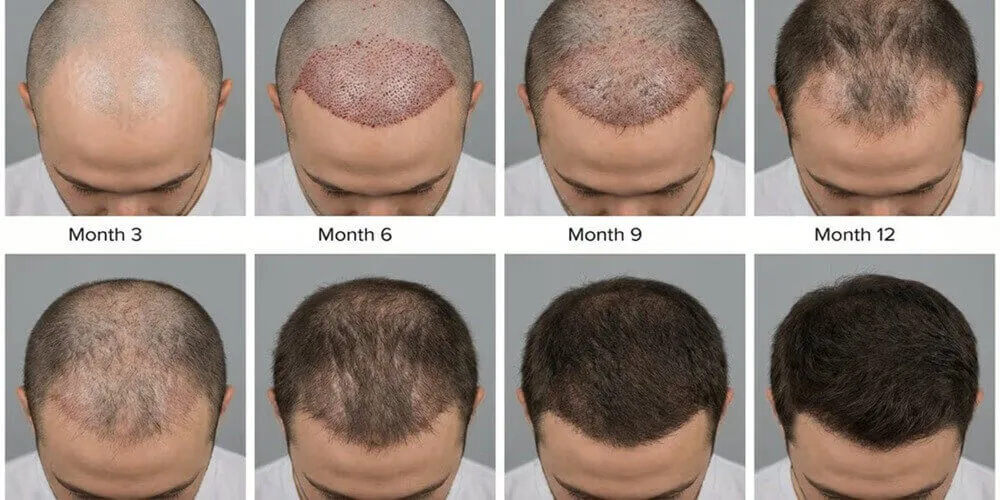
Recovery
One Year After a Hair Transplant
The month-by-month journey to your final result.
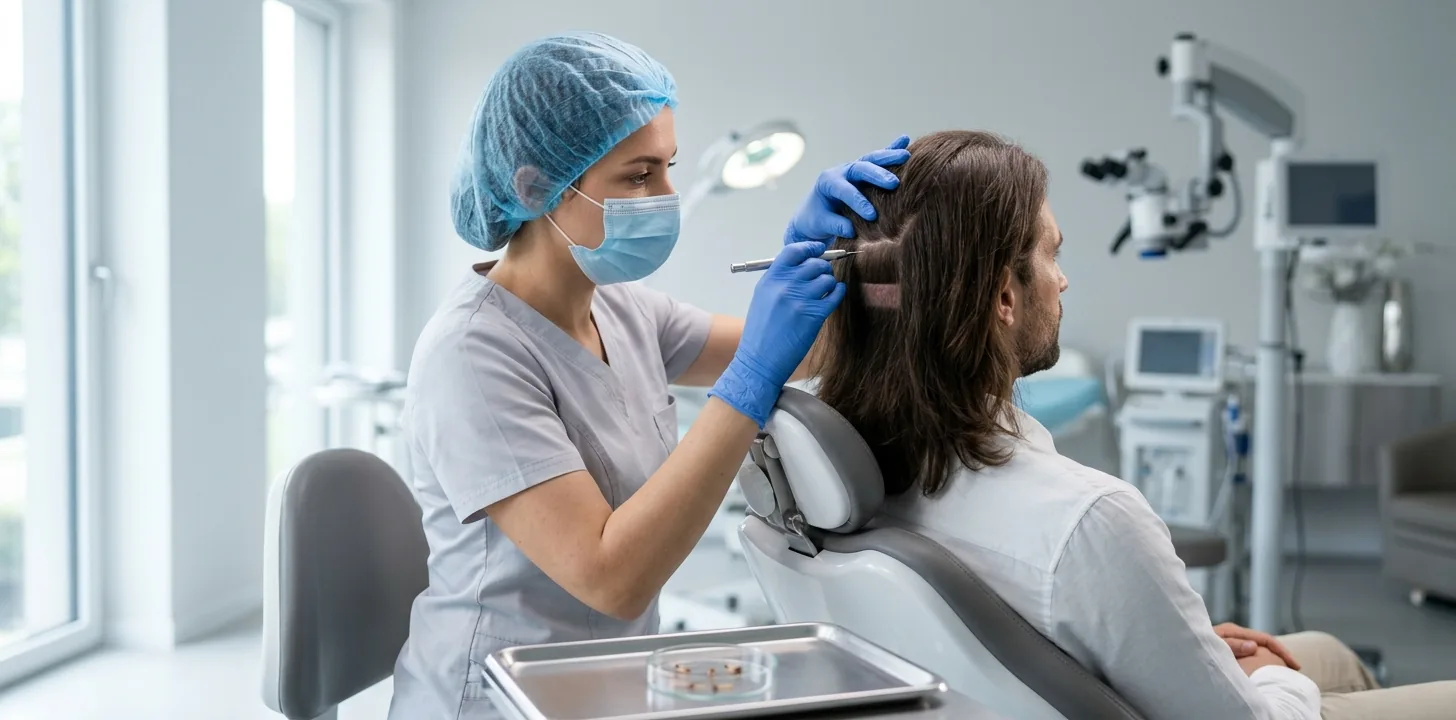
Treatment
DHI or Sapphire FUE?
What actually separates the two techniques.
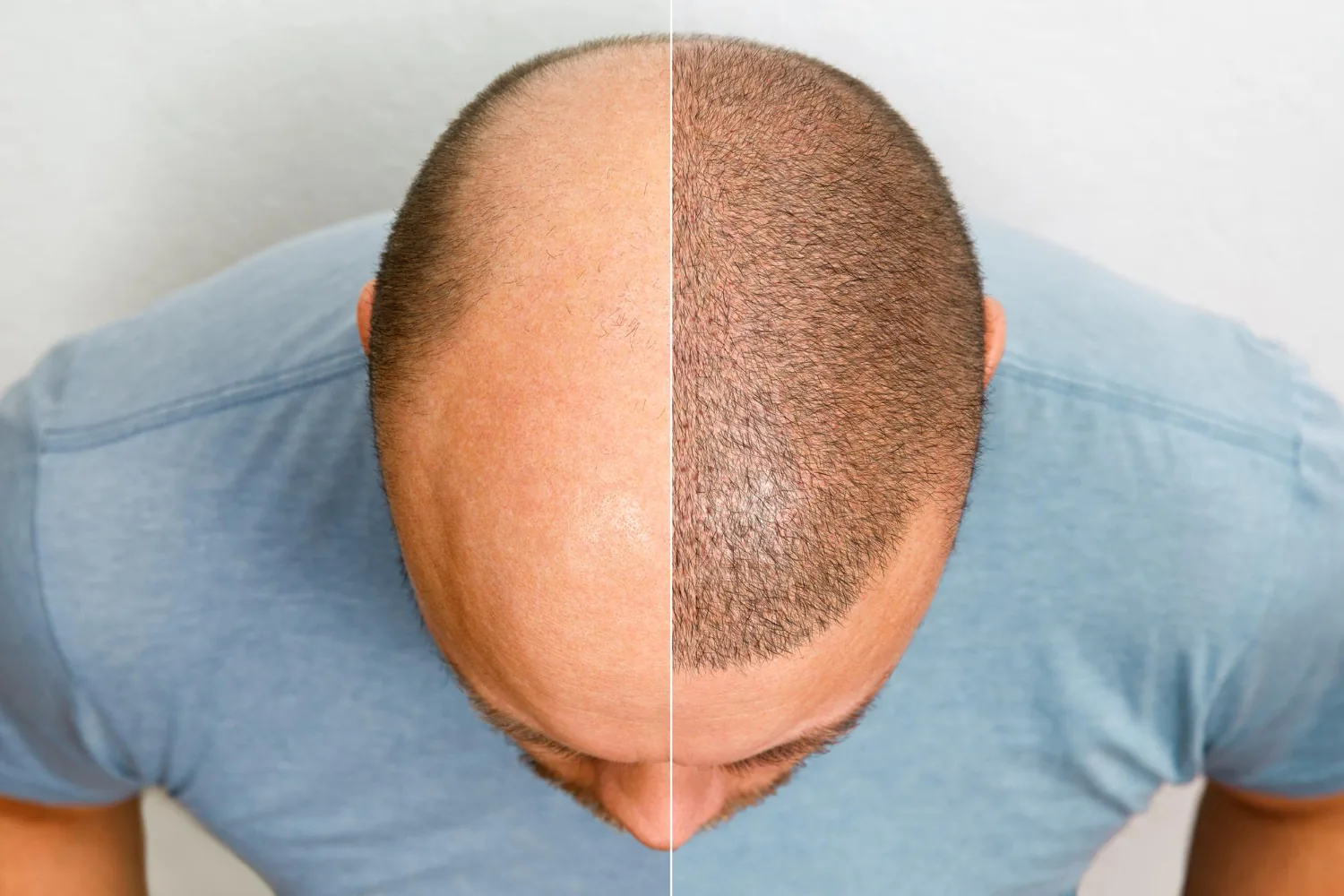
Blog
Turkey or Cyprus: Which Is Right for Your Hair Transplant?
Volume versus boutique: how the two countries differ on price structure, physician involvement and the experience itself — honestly, from a clinic on one side of it.