
Almost every patient arrives having read that one of these techniques is the modern one and the other is dated. That framing sells clinics; it does not describe surgery. Both are current, both are used here, and which one you are offered should follow from your scalp rather than from a price list.
What actually differs: the order of two steps
In Sapphire FUE the channels are opened first, with blades tipped in sapphire rather than steel, and the grafts are placed into them afterwards. In DHI those two steps collapse into one: an implanter pen opens the channel and delivers the graft in the same movement. That single structural difference is where every other difference comes from.
Where each one is strong
Sapphire FUE covers wide areas well. Opening channels as their own stage lets the surgeon set angle, depth and distribution across a large zone before any graft is placed, which is what produces an even, natural spread. The sapphire tips make smaller, cleaner incisions than steel, so there is less tissue damage than in classical FUE. Sessions tend to run faster, which matters when the graft count is high.
DHI is the precision instrument. Because the graft goes in as the channel opens, it is never waiting outside the body, and the surgeon can place hairs very densely and very deliberately — ideal along a frontal hairline, or threading new hairs between existing ones without disturbing them. It also allows unshaven work. The trade-off is time: the same number of grafts takes longer.
Healing
Less different than the marketing suggests. With either technique the crusting clears in roughly seven to ten days, and the twelve-month timeline — shedding, the quiet months, growth from month six — is identical. DHI causes slightly less trauma per graft; Sapphire causes less than steel-blade FUE. Neither difference changes what you see at a year.
Which suits you
- DHI tends to suit frontal hairline design, adding density between hair you still have, smaller or sensitive zones, and anyone who cannot shave.
- Sapphire FUE tends to suit extensive loss across a wide area, high graft counts, and cases where completing the session in one comfortable day matters.
Plenty of operations use both: DHI along the hairline where precision shows, Sapphire behind it where coverage does.
So which is better?
Neither. There is no single best technique, only the technique that fits a particular donor supply, loss pattern and goal — and the honest predictor of your result is not the instrument but the experience and planning of the person holding it. A clinic that answers this question with a brand name rather than an examination has told you something useful about itself.
This article is general information written by our medical team and is not a substitute for individual medical advice. Please consult a physician about your specific situation.

Cyprus Hair Center
Written by our medical team. Every procedure at Cyprus Hair Center is performed by experienced specialists in line with international standards, and carries a lifetime warranty certificate.
Related reading
Treatment
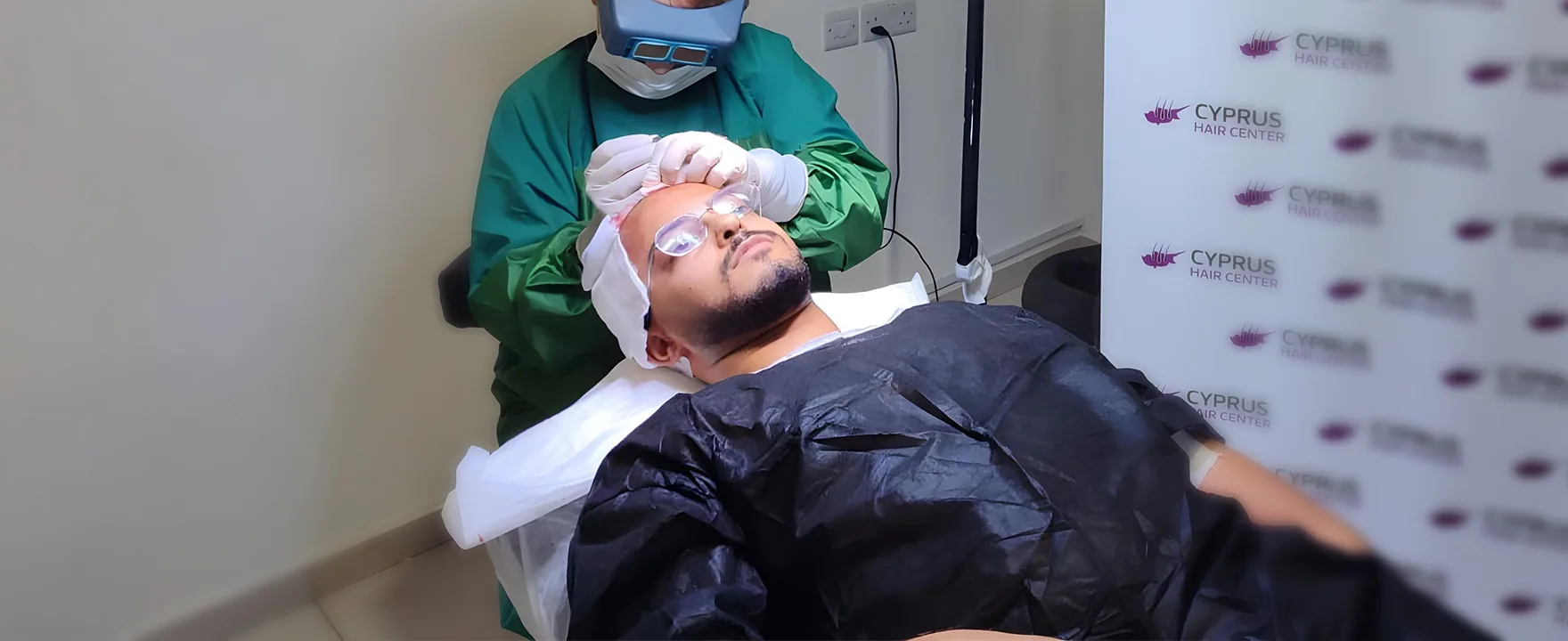
Sapphire FUE Hair Transplant
Minimal trauma, maximum density.
Treatment
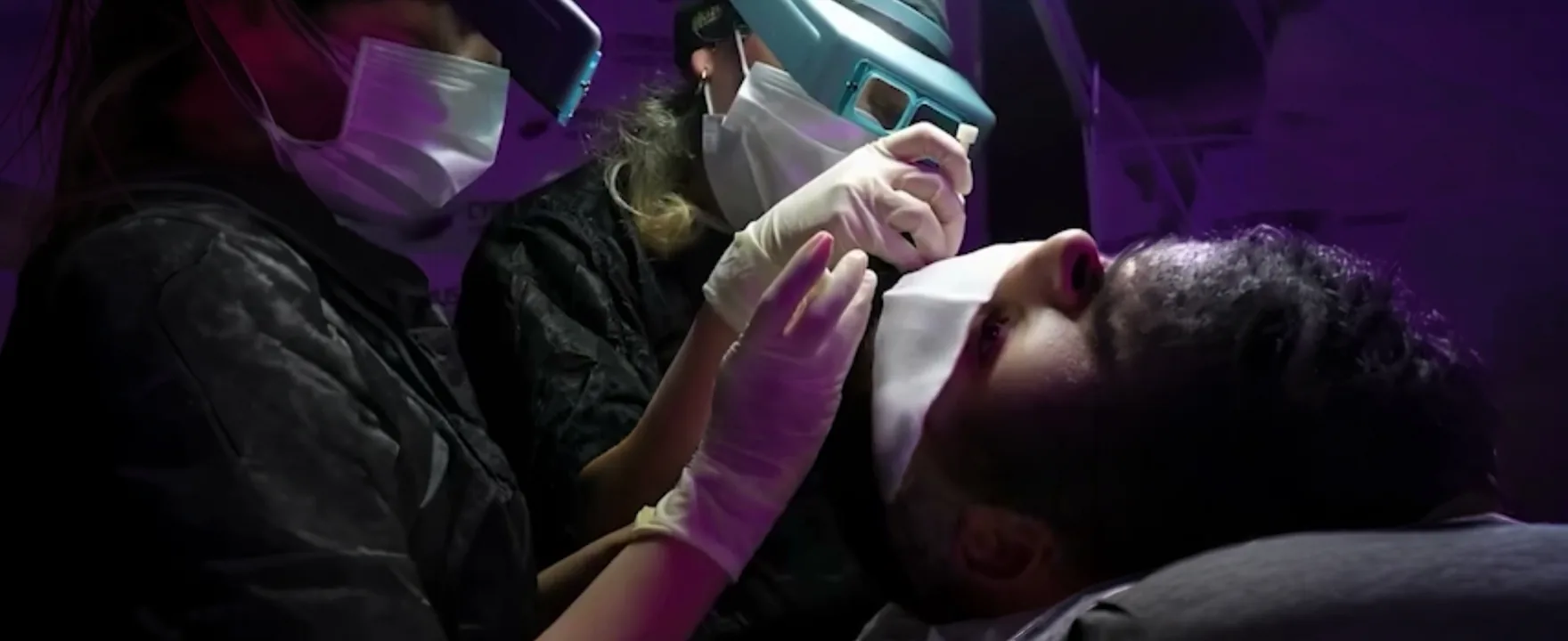
DHI Hair Transplant
Direct implantation, without shaving.
Blog
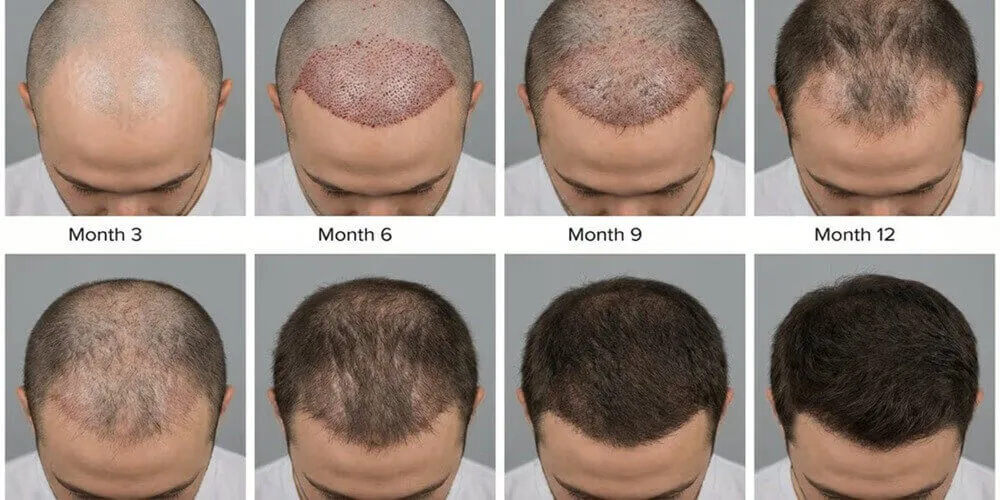
One Year After a Hair Transplant: The Month-by-Month Journey
Shock loss, the quiet phase, the turning point at month six — what happens in each stage and when to call your clinic.